
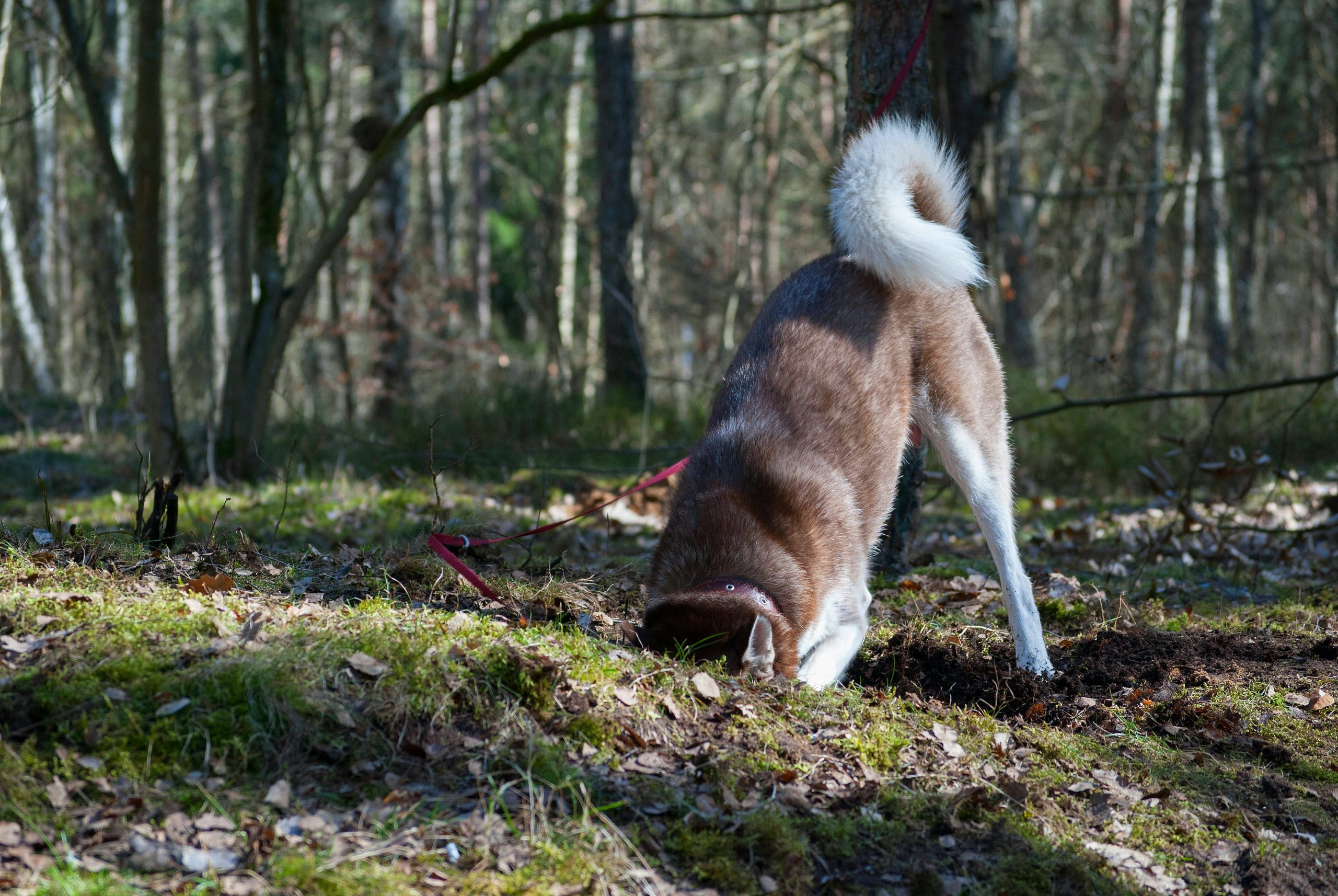
There is no one-size-fits-all solution to how stop a dog from digging, as the reason behind this behavior can vary from dog to dog. Since digging can stem from various causes—such as boredom, anxiety, or an instinctual need to burrow—it’s important to first understand the root cause before finding the right solution. This is why the approach to how to stop a dog from digging may differ depending on your dog’s specific needs.
Whether it’s digging up your yard, creating holes in your garden, or even digging at the carpet indoors, this behavior can quickly become a problem. However, with a little patience and the right strategies, you can learn how to stop dogs from digging and restore peace to your home.
In this complete guide, we’ll explore the causes of digging and provide effective solutions on how to keep dogs from digging, so you and your pet can enjoy a more harmonious relationship.
Why Do Dogs Dig?
Before tackling the problem of digging, it’s essential to understand the various reasons behind it. Dogs dig for different purposes, and identifying the root cause will help you choose the most effective solution. Here are the main causes of digging and why you need to address them to get a dog to stop digging.
1. Boredom and Lack of Exercise
Dogs are highly energetic animals, and when they don’t get enough physical or mental stimulation, they often resort to destructive behaviors like digging. A lack of exercise leaves your dog with excess energy that they need to burn off somehow. Digging becomes an outlet for this pent-up energy. To learn how to stop a dog from digging due to boredom, make sure they receive plenty of exercise. You can check out more tips on effective indoor exercises on PetMD
2. Anxiety and Stress
Dogs that suffer from separation anxiety or general stress may dig as a coping mechanism. If your dog digs when you’re away or during stressful situations like thunderstorms, it could be a sign of anxiety. Digging becomes their way of trying to deal with these overwhelming feelings. To help manage anxiety and stop dogs from digging, consider using calming products and consult resources on behavioral therapy.
If you’re looking for more in-depth strategies on dealing with separation anxiety, the Humane world for animals offers valuable advice.
3. Instinctual Behavior
Some dog breeds are naturally more inclined to dig due to their instincts. For example, terriers, hounds, and dachshunds were originally bred for burrowing and hunting small animals, so digging comes naturally to them. This behavior is deeply ingrained in their genetic makeup. If you’re struggling with how to stop dogs from digging because of instinct, working with a trainer familiar with breed-specific behaviors can help.
4. Comfort Seeking
Dogs often dig to create a comfortable resting place. If your dog is digging at the floor or in the yard, they might be looking for a cooler spot to lie down. This is especially common during hot weather when dogs try to create a cool area by digging up dirt or carpet. If you want to get a dog to stop digging for comfort, provide a cooler and more comfortable resting area.
5. Attention-Seeking Behavior
Some dogs dig simply to get attention. If your dog has learned that digging results in you coming over to scold or even just notice them, they may continue the behavior to get a response. Dogs are social animals, and sometimes they dig to interact with their owners, even if it’s negative attention. To stop a dog from digging for attention, reinforce positive behaviors and avoid rewarding digging.
6. Territorial Behavior
Dogs may also dig to mark their territory. This behavior can be triggered by the presence of other animals in the yard, such as other dogs or wildlife. Digging can help them leave their scent and assert dominance over a particular area. If territorial digging is a problem, consider ways to keep dogs from digging in certain areas, such as using barriers or deterrents.
Solutions to Stop Your Dog from Digging
Understanding the cause of your dog’s digging is the first step in addressing the behavior. Once you know why your dog is digging, you can implement the right solution. Here are some effective strategies to stop your dog from digging:
1. Provide More Exercise and Mental Stimulation
A tired dog is less likely to dig! Ensuring your dog gets plenty of exercise and mental stimulation can significantly reduce boredom-related digging. Take your dog on daily walks, engage in interactive games, and consider puzzle toys to challenge their minds. A well-exercised dog is a much happier and more content dog, making it easier to stop dogs from digging.
Tip: Incorporating regular play sessions and varied activities into your dog’s routine can help expend their energy, reducing the likelihood of destructive behaviors like digging.
2. Create a Digging Zone
If your dog loves to dig, consider creating a designated digging area in your yard. A sandbox or a particular corner of your garden can provide a place where your dog is encouraged to dig. To make it more enticing, you can bury toys or treats in the digging zone. By redirecting your dog’s digging behavior, you can protect the rest of your yard and still satisfy their instincts. This is a great way to keep dogs from digging in unwanted areas.
3. Address Separation Anxiety
If your dog digs when left alone, it may be a sign of separation anxiety. To help your dog cope with being alone, you should gradually increase the amount of time you spend away from them. Start with short separations and work your way up. You can also use calming products like pheromone sprays or calming collars to ease their anxiety. This will help stop dogs from digging caused by stress.
For more in-depth strategies on managing separation anxiety, you can visit the ASPCA’s guide on separation anxiety.
4. Provide a Cool Place to Rest
If your dog digs to stay cool, consider creating a shaded area with a comfortable bed or an elevated dog bed. This will give your dog a cooler spot to relax, reducing the need to dig for comfort. Additionally, a cooling mat could help regulate their body temperature on hot days. Providing a comfortable resting place is an important step in how to get a dog to stop digging.
5. Use Positive Reinforcement
When your dog stops digging or digs in an appropriate area, reward them with praise, treats, or playtime. Positive reinforcement is a powerful tool that encourages your dog to repeat the desired behavior. Avoid scolding your dog for digging, as it can lead to confusion or increased anxiety, making the behavior worse.
Tip: Consistency is key when using positive reinforcement. The more frequently you reward your dog for good behavior, the quicker they’ll learn what you expect from them, helping you stop your dog from digging effectively.
6. Block Access to Digging Zones
If your dog has a favorite spot for digging, you can block access to that area using barriers or fences. You can also use natural deterrents like sprinkling cayenne pepper or placing sharp rocks in the area to make it less appealing for digging. This strategy is a useful way to keep dogs from digging in specific spots.
7. Consult a Professional Trainer
If the digging continues despite your best efforts, it might be time to consult a professional dog trainer. A dog behaviourist or trainer can help you understand the root cause of the digging and provide tailored solutions based on your dog’s specific needs.