
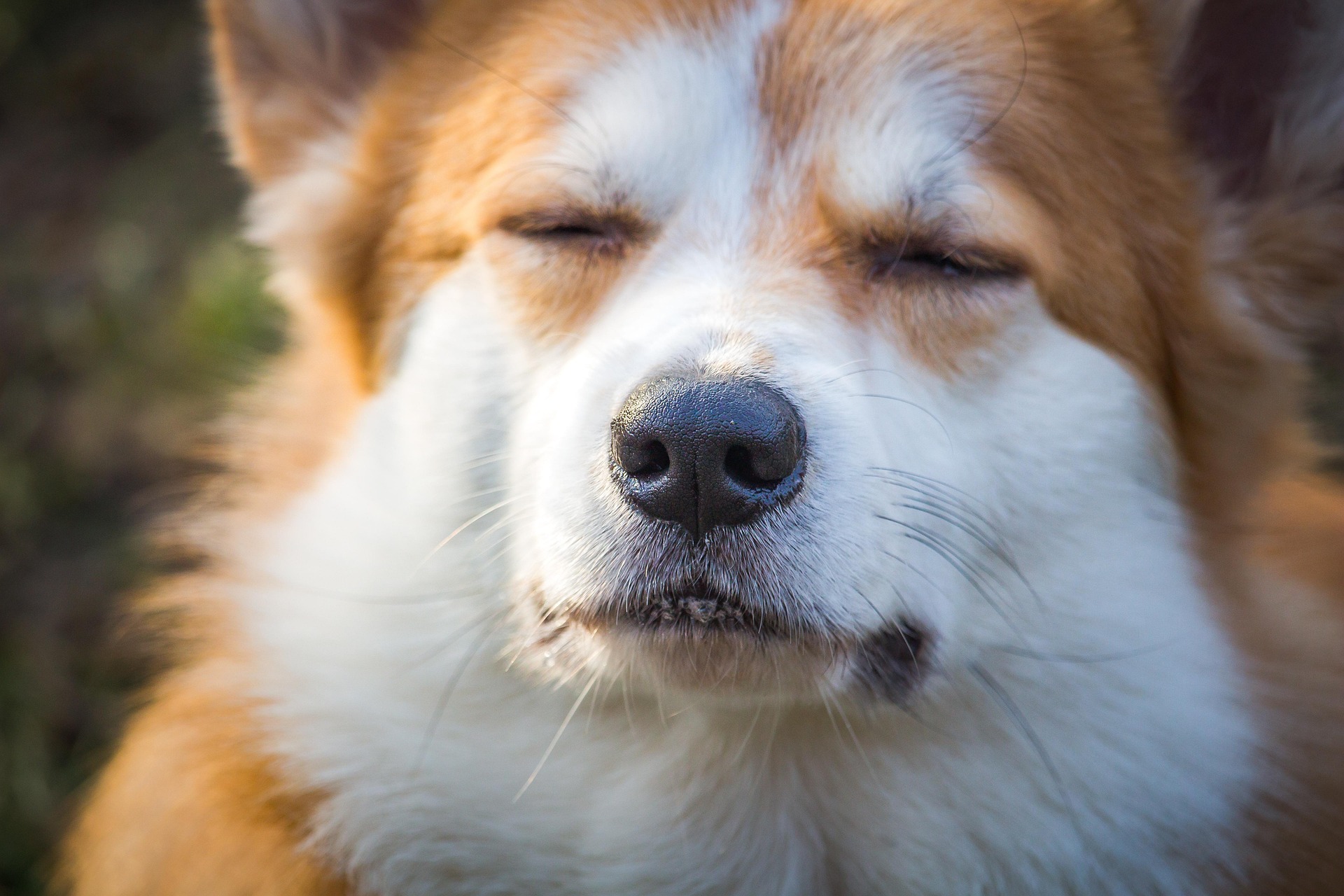
A puppy runny nose is usually harmless when the discharge is clear and watery, often caused by allergies, excitement, or mild irritation. However, thick yellow, green, bloody, or one-sided nasal discharge can signal infection, a foreign object, or a serious respiratory condition and should be evaluated by a veterinarian.
Many new puppy owners worry when they see a snotty nose, especially if the discharge changes color. This guide explains causes, symptoms, treatments, and supportive care to help your puppy breathe comfortably.
Understanding the Type of Nasal Discharge
Observing the color and consistency of your puppy’s nasal discharge is one of the most important diagnostic clues. The color, thickness, and frequency of the mucus often provide early signs of whether the issue is minor or serious for puppy runny nose.
| Discharge Color/Type | Likely Cause | Recommended Action |
|---|---|---|
| Clear and Watery | Allergies, mild irritants, excitement, cooling down | Monitor for a few days; see a vet if persistent or with sneezing |
| Thick, Yellow, or Green | Bacterial, viral, or fungal infection (e.g., Distemper, Kennel Cough) | Contact a vet; may require antibiotics or antifungal medication |
| Bloody or Pink-Tinged | Trauma, foreign objects, nasal mites, clotting disorders | Seek urgent care; apply a cold compress and keep puppy calm |
| One Nostril | Localized issue: foreign object, dental infection, polyp | Vet exam; may need imaging or sedation to locate object |
| Both Nostrils | Systemic issues like allergies or contagious infection | Isolate puppy and consult veterinarian |
Pro Tip: Keep a small notebook or phone log of the discharge over several days. Note color changes, consistency, and frequency. This helps your veterinarian quickly narrow down the cause.
Common Causes of a Puppy Runny Nose
A puppy runny nose can stem from minor irritation or serious health issues. Understanding the cause is essential for proper treatment.
1. Environmental and Inhalant Allergies
Allergies are the most common reason for abnormal nasal secretions. Puppies can be sensitive to pollen, dust, mold, or household chemicals.
- Symptoms: Clear discharge, sneezing, watery eyes, itchy skin
- Treatment: Avoid triggers when possible. Your vet may suggest antihistamines, steroids, or immunotherapy.
- Extra Tip: Use hypoallergenic cleaning products and wash your puppy’s bedding regularly to minimize indoor allergens. For breed-specific sensitivities, visit the American Kennel Club
2. Foreign Objects (Nasal Blockages)
Puppies explore the world nose-first, so small items like grass seeds, wood particles, or insects can lodge in the nasal passages.
- Symptoms: Sudden sneezing, pawing at the face, one-sided discharge, nosebleeds
- How to help: Use a mirror under the nose to check for uneven fogging. If the mirror fogs unevenly, one side may be blocked. Never try to remove deep objects yourself, as this can cause severe bleeding or permanent damage.
- Extra Tip: Puppies that are fast chewers or play outdoors frequently are more at risk. Check their play area for tiny objects they could inhale.
3. Infectious Diseases and “Snotty” Symptoms
Thick, colored nasal discharge often signals infection.
- Kennel Cough (Bordetella): Clear to thick nasal drip, dry hacking cough
- Canine Distemper: Sticky yellow discharge, fever, vomiting, neurological signs
- Dog Flu (Canine Influenza): Fever, lethargy, appetite loss, spreads rapidly in social environments
Pro Tip: Isolate your puppy from other dogs if you suspect an infection, even if the symptoms are mild. This prevents disease spread in kennels, dog parks, or training classes.
4. Breed-Specific and Anatomical Predispositions
Some puppies are more prone to nasal discharge due to their anatomy.
- Brachycephalic breeds: Pugs, French Bulldogs, and English Bulldogs often have narrow nostrils and soft palate issues, causing chronic discharge and noisy breathing.
- Cleft palate: Discharge after eating may indicate a cleft palate or oral-nasal fistula, which requires surgical correction.
Extra Insight: Flat-faced breeds may benefit from daily nasal cleaning and humidifier use to reduce irritation and secondary infections.
5. Fungal and Rare Causes
Inhaling fungal spores from soil or hay can cause aspergillosis, a fungal infection of the nasal cavity resulting snotty nose. Symptoms include:
- Bloody or pus-like discharge
- Nasal swelling or pain
- Loss of pigment on the nose
Fungal infections are uncommon but require specialized antifungal treatment from a vet.
When to See a Veterinarian
While a mild drip may resolve on its own, seek professional help if you notice:
- Difficulty breathing or flaring nostrils
- Thick green, yellow, or foul-smelling mucus
- Lethargy, fever, or loss of appetite
- Facial swelling around the nose or eyes
- Persistent nosebleeds
Extra Tip: Video your puppy’s breathing if labored—it helps your vet diagnose subtle airway issues. Consult your veterinarian about tests like nasal cytology, imaging, or PCR respiratory panels
- External Reference: For medications, see the WebMD Pet Medication Guide.
At-Home Care and Prevention
Proper hygiene and immune health support are vital for puppy wellness — learn more about natural ways to support your dog’s immune system and parasite control in our guide on Natural Dewormer for Dogs . Support your puppy at home with these steps:
- Humidity: Use a humidifier or let your puppy sit in a steamy bathroom to loosen mucus.
- Cleanliness: Gently wipe discharge with a soft, damp cloth to prevent crusting.
- Hydration and Nutrition: Fresh water is essential; soft foods like Hills Prescription Diet a/d can help if appetite is low
- Vaccination: Complete the full vaccine series for Distemper and Bordetella to prevent serious infections
- Regular Vet Checkups: Annual exams allow early detection of chronic nasal issues.
Extra Tip: Keep your puppy away from smoke, strong perfumes, and dusty areas, as these can trigger allergies and worsen nasal discharge.
Frequently Asked Questions (FAQ)
1. Why does my puppy have a snotty nose only after playing outside?
Outdoor snotty noses are often caused by allergies to pollen or dust. It may also indicate your puppy inhaled a small object like a grass seed. If discharge is clear and stops indoors, it’s likely allergies; persistent sneezing or pawing at the face warrants a vet check.
2. Can I use human nose drops for a puppy runny nose?
No. Human nasal sprays or medications can be toxic or require precise dosing for dogs. Always use pet-safe treatments prescribed by a veterinarian.
3. Is it normal for a puppy snotty nose to be one-sided?
No. One-sided discharge usually indicates a localized problem like a foreign object, dental infection, or nasal polyp and should be evaluated by a vet.
4. What can I give my puppy for a runny nose?
For mild, clear discharge, supportive care such as steam therapy, fresh water, and gentle cleaning around the nostrils is usually sufficient. Do not give human medications. Colored, bloody, or persistent discharge requires veterinary care.
About the Author
Dipesh Ghimire is a pet health writer and founder of vowpaw.com, publishing research-based content on dog and cat care. This article references veterinary sources including AVMA, Cornell University College of Veterinary Medicine, VCA Animal Hospitals, WebMD, and the American Kennel Club.
Medical Disclaimer: This article is for informational purposes only and does not replace professional veterinary diagnosis or treatment. Always consult a licensed veterinarian for your pet’s health concerns.