
A dog yeast infection home remedy can offer relief when your pet is itching, licking, or has a strong odor. Yeast infections are common in dogs, especially in warm, moist areas like paws, ears, and skin folds. While home remedies can help, knowing when to treat at home and when to see a veterinarian is essential.
This comprehensive guide explains symptoms, causes, natural treatments, prevention strategies, and detailed advice for dog yeast infection care.
What Is a Yeast Infection in Dogs?
Yeast naturally lives on a dog’s skin. It only becomes a problem when conditions allow it to overgrow, creating irritation and infection. According to veterinary sources, the most common organism is Malassezia pachydermatis, found in skin, paws, ears, and folds. Heat, moisture, and allergies are frequent triggers that lead to infection.
Symptoms of Yeast Infection in Dogs
Common Signs
Watch for these symptoms:
- Itchy skin
- Cheesy or Frito-corn-chip smell
- Greasy, flaky coat
- Redness or swelling
- Brown, yellow, or black discharge
- Hair loss in patches
- Constant scratching or licking
These symptoms often appear on paws, belly, ear flaps, armpits, or around the tail.
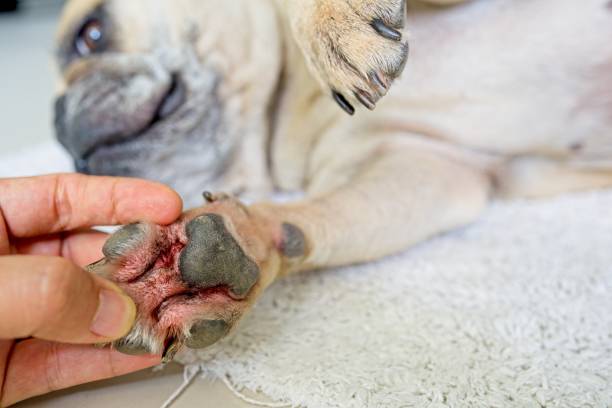
Dog Paw Yeast Infection Symptoms
Dog paw yeast infection is very common and can appear as:
- Redness between the toes
- Brown saliva stains from licking
- Nail bed irritation
- Strong odor
- Thickened skin
If your dog keeps licking its paws, yeast could be the reason.
Causes and Risk Factors
Several conditions help yeast thrive:
- Moisture from baths, grass, swimming
- Allergies (food, environmental)
- Humidity and heat
- Immune or gut imbalance
- Long ears or heavy skin folds
Breeds at higher risk include:
- Cocker Spaniels
- Bulldogs
- Basset Hounds
- Poodles
- German Shepherds
Vet Diagnosis and When to Avoid Home Remedies
Home treatment works best for mild cases.
Seek veterinary help immediately if you see:
- Bleeding or open wounds
- Fever
- Head tilt or balance problems
- Swollen ear canal
- Constant crying or pain
The veterinarian may perform:
- Skin scrapes
- Microscopic evaluation
- Cytology tests
Medication may be required in severe cases.
Home Remedies for Yeast Infection in Dogs
These dog yeast infection home remedy options can reduce itching, smell, and inflammation.
Apple Cider Vinegar Rinse
Apple cider vinegar has antifungal properties.
How to use:
- Mix equal parts warm water and vinegar.
- Apply with cotton or spray.
- Let it air dry.
Avoid using on broken or raw skin — vinegar will sting.
Coconut Oil for Skin and Paws
Coconut oil contains lauric acid, which helps fight yeast.
How to use:
- Warm a small amount in your hands.
- Rub onto affected areas.
- Do not apply thick layers.
Too much oil can trap moisture, so less is better.
Plain Yogurt and Probiotics
Internal support is just as important.
Plain yogurt or probiotic supplements:
- Improve gut balance
- Reduce yeast growth
- Support overall immunity
Add a spoonful to meals daily.
Epsom Salt Paw Soak
Great for yeast infection dog paws.
Instructions:
- Fill a tub with warm water.
- Add Epsom salt.
- Soak paws for 5–10 minutes.
This reduces itching and odor.
Oatmeal Baths
Oatmeal calms irritated skin.
How to use:
- Blend oatmeal into fine powder.
- Add to warm bathwater.
- Soak dog for 10 minutes.
Dry thoroughly afterward.
Dog Paw Yeast Infection Treatment at Home
Dogs with paw yeast infections benefit from routine care like.
Daily Routine
- Wash paws with antifungal shampoo or mild soap.
- Dry thoroughly — between all toes.
- Use a vinegar soak or Epsom salt.
- Apply coconut oil lightly.
- Keep bedding clean and dry.
Moisture is the enemy — paws must stay dry.
Prevention Tips
Preventing yeast overgrowth is easier than treating it.
Tips:
- Dry your dog after baths or swimming
- Clean paw pads weekly
- Use breathable bedding
- Trim hair around toes
- Avoid allergens, especially grain or chicken if sensitive
- Feed probiotics and omega-3
Ear cleaning is also important for prevention. Use a vet-approved ear solution once a week.
Home Remedies vs Medicated Treatments
Home remedies can help mild cases, but sometimes medication is necessary.
Vet-prescribed treatments may include:
- Antifungal shampoos
- Oral antifungals
- Ear drops
- Medicated wipes
If symptoms worsen or last longer than 7–10 days, contact your vet.
Comparison Table: Remedies and Uses
| Remedy | Best For | Notes |
|---|---|---|
| Apple cider vinegar | Skin, paws | Avoid broken skin |
| Coconut oil | Soothing skin | Use thin layer |
| Yogurt & probiotics | Gut balance | Daily use |
| Epsom salt soak | Paws | Smell and itch relief |
| Oatmeal bath | Whole body | Calms irritation |
FAQ
What is the best dog yeast infection home remedy?
Apple cider vinegar, coconut oil, probiotics, and Epsom salt soaks can help, depending on the location and severity.
Can I use apple cider vinegar for yeast?
Yes, but never use it on broken skin. Dilute 50/50 with water.
How long does it take to heal?
Mild cases improve in 5–10 days with home care. Chronic cases may need veterinary treatment.
Can I treat yeast infection dog paws at home?
Yes. Clean, dry, soak paws, apply coconut oil lightly, and keep bedding clean.
When should I see a vet?
If your dog has pain, swelling, fever, ear tilt, or symptoms lasting more than 10 days.
Conclusion
Yeast infections in dogs are uncomfortable, but with the right care, most mild cases respond well to home remedy Keep your dog clean, dry, and supported with probiotics and a healthy diet. Always monitor for pain or worsening symptoms, and contact your veterinarian if needed.
Quick answer
Dog yeast infection home remedy:
Mild cases can be treated at home using diluted apple cider vinegar, coconut oil, probiotics, Epsom salt soaks, and oatmeal baths. Keep the area dry and monitor symptoms.
Dog paw yeast infection remedy:
Clean paws daily, soak with Epsom salt or vinegar, apply light coconut oil, and keep bedding dry. See a vet if symptoms last more than 10 days.
sources
The information on the article is based on my personal experiences and from the sources like
Small Door Veterinary
https://www.smalldoorvet.com/learning-center/medical/yeast-infections-in-dogs
PetMD
https://www.petmd.com/dog/conditions/skin/yeast-infections-dogs
Vets4Pets
https://www.vets4pets.com/pet-health-advice/dog-advice/yeast-infections-in-dogs/
